Australia’s climate is no stranger to extremes, but with forecasters signalling a possible El Niño event forming later in 2026, homeowners across the country are starting to ask: What does this mean for my home, and what can I do about it?
The short answer? Proper insulation is one of the most effective ways to protect your home from the intense heat that El Niño can bring. Here’s everything you need to know.
What Is El Niño?
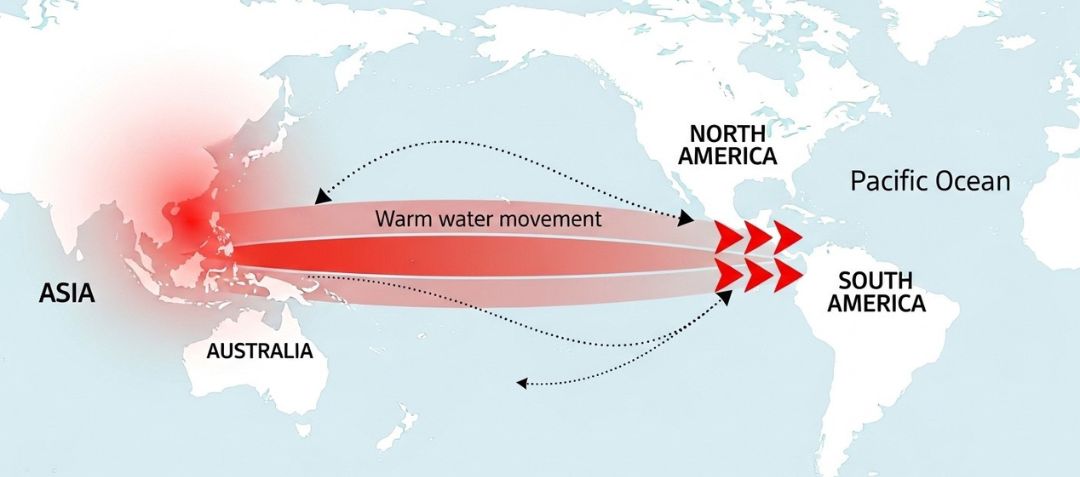
El Niño is a natural climate pattern that develops when sea surface temperatures in the central and eastern tropical Pacific Ocean become warmer than usual. This shift in ocean temperature disrupts normal wind and rainfall patterns across the globe, triggering weather changes that can last for months.
During an El Niño event, warm water that normally sits near Australia and Southeast Asia moves eastward across the Pacific. This reduces the moisture-carrying trade winds and alters the distribution of rainfall worldwide.
While El Niño originates in the Pacific Ocean, its effects are felt globally, from increased rainfall in South America to drought and extreme heat in Australia and parts of Asia.
Will El Niño Affect Australia?
Current climate outlooks suggest that El Niño conditions could develop by late winter 2026. According to the Bureau of Meteorology, all major climate models indicate a possible shift from neutral conditions to El Niño by the end of winter. Some international forecasts from the European Centre for Medium-Range Weather Forecasts suggest up to an 80% chance of strong El Niño conditions forming.
It’s important to note that forecasts at this stage are subject to some uncertainty. As climate scientist Andrew King from the University of Melbourne explains, autumn is a “reset” period for Pacific Ocean conditions, and clearer predictions typically emerge in May or June.
That said, early preparation is always the smartest approach. Whether El Niño arrives as a moderate or strong event, Australian homeowners who prepare now will be better positioned to handle whatever the season brings.
What El Niño Means for Australian Homes
When El Niño hits Australia, eastern Australia in particular tends to experience hotter, drier conditions during spring and summer. For homeowners, this translates to several real challenges:
- Hotter indoor temperatures – Prolonged heatwaves push indoor temperatures to uncomfortable and even unsafe levels, particularly in poorly insulated homes.
- Reduced rainfall and dry conditions: Drier weather means less natural cooling from rain and more dust, making outdoor relief harder to find.
- Higher energy costs: Air conditioners run overtime during extended heat events, significantly raising electricity bills. Poorly insulated homes can incur up to $2,000 in additional energy costs per year compared to well-insulated ones.
- Reduced comfort in living spaces – Bedrooms, living areas, and home offices become harder to keep comfortable, impacting sleep quality, productivity, and overall well-being.
Why Homes Overheat During El Niño
Understanding why your home gets so hot during extreme heat events is the first step to solving the problem.
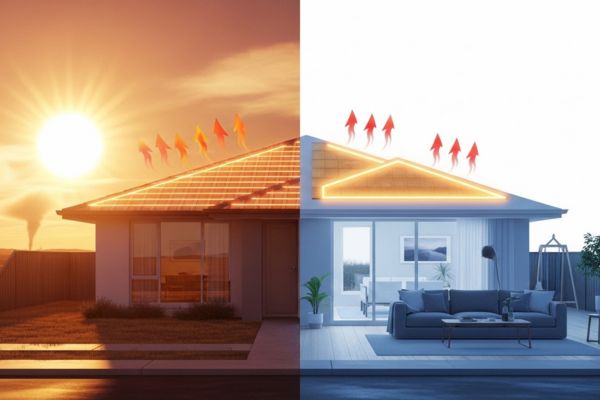
- Heat entering through the roof – Up to 35% of a home’s heat gain in summer comes directly through the roof. During El Niño-driven heatwaves, roof surfaces can reach temperatures above 70°C, and that heat radiates straight into your ceiling space.
- Poor or missing insulation – Around 80% of Australian homes have energy efficiency ratings of just two stars or less out of ten. Many older homes have little to no insulation or insulation that has compressed, shifted, or deteriorated over time.
- Heat build-up in ceiling spaces – Without adequate insulation, your roof space becomes a heat trap. Temperatures in an uninsulated ceiling cavity can exceed 60°C on a hot day, turning your entire home into an oven.
- Impact on indoor temperature – All of this heat transfers through your ceiling and walls into your living areas, making it nearly impossible for air conditioning to keep up and extremely expensive when it does.
How Insulation Helps Keep Your Home Cool
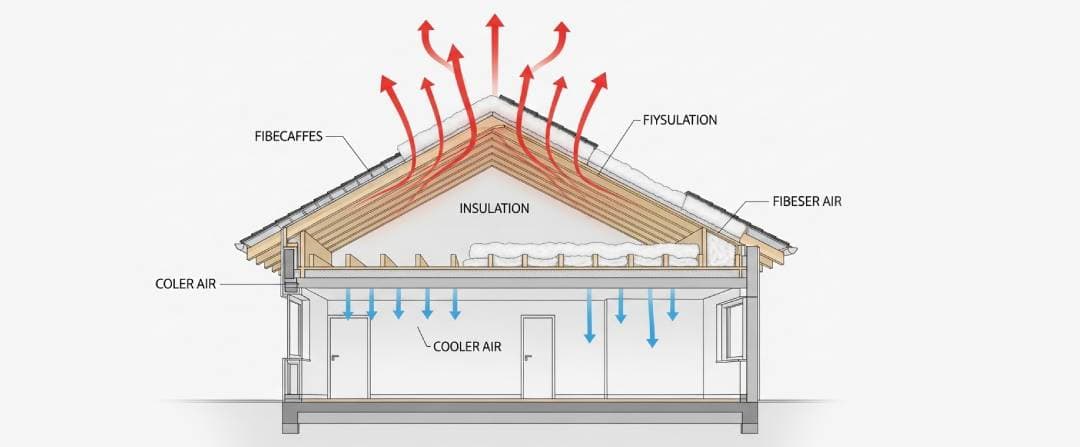
Insulation is the most effective way to keep your home cool in summer and warm in winter. It works by slowing the transfer of heat between the inside and outside of your home.
- Blocks heat from entering – Quality ceiling insulation acts as a barrier, preventing the extreme heat in your roof space from radiating down into your living areas. Materials like glasswool, rockwool, and polyester batts trap air pockets that resist heat flow.
- Keeps indoor temperature stable – Research shows that well-insulated homes can maintain indoor temperatures up to 2°C cooler during heat events compared to poorly insulated ones, with comfort periods lasting two to five times longer.
- Reduces reliance on air conditioning – According to CSIRO, installing ceiling insulation can reduce your heating and cooling costs by up to 45%. That means less strain on your air conditioner and significantly lower electricity bills.
- Improves year-round comfort – Insulation doesn’t just help in summer. It keeps warmth in during winter too, making it a smart investment that pays off every season.
Where Insulation Makes the Biggest Difference
Not all areas of your home contribute equally to heat gain. Here’s where insulation delivers the greatest impact:
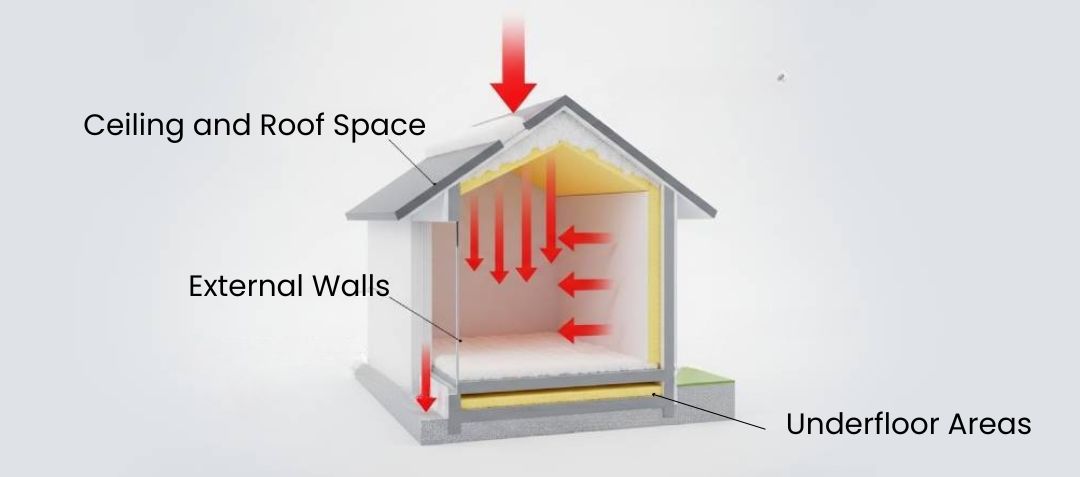
Ceiling and Roof Space
This is the number one priority. Since up to 35% of heat enters through the roof, ceiling insulation with an appropriate R-value for your climate zone is the single most effective upgrade you can make. For most Australian homes, a minimum R-value of 4.1 or higher is recommended for ceiling insulation.
External Walls
Wall insulation can reduce heating and cooling costs by an additional 15%, making it well worth considering, especially if you’re renovating or building. Bulk insulation batts or reflective foil are common options for walls.
Underfloor Areas
Homes with raised floors or subfloor spaces lose significant heat in winter and gain it in summer. Underfloor insulation batts or rigid insulation boards help maintain a stable temperature from the ground up.
Priority Areas for Best Results
For the best return on investment, start with ceiling insulation, then move to walls and underfloor. Combined, these upgrades create a comprehensive thermal envelope that keeps your home comfortable regardless of what the weather throws at it.
Simple Upgrades That Improve Results
Insulation works best when combined with a few complementary upgrades:
- Sealing gaps and draughts – Air leaks around doors, windows, vents, and pipe penetrations can undermine even the best insulation. Sealing these gaps can eliminate up to 70% of excess air leakage, dramatically improving your home’s ability to retain cool air in summer.
- Window coverings and shading – External blinds, awnings, and heavy curtains reduce the amount of solar heat entering through windows. Combined with insulation, they create a much more effective barrier against extreme heat.
- Roof ventilation improvements – Whirlybirds, ridge vents, or powered roof ventilators help release trapped hot air from your roof space, allowing your insulation to work more efficiently.
Who Should Act Now
If any of the following apply to you, now is the time to consider an insulation upgrade:
- Homeowners in hot regions – If you live in an area prone to high temperatures, particularly across eastern, northern, and inland Australia, quality insulation is essential for comfortable living.
- Families using cooling daily – If your air conditioner runs constantly during summer, poor insulation is likely the reason. Upgrading could significantly reduce your cooling costs.
- Property owners looking to reduce energy costs – With electricity prices continuing to rise, insulation is one of the most cost-effective ways to reduce your energy bills year after year.
- Anyone preparing for heatwaves – Whether El Niño arrives or not, Australian summers are getting hotter. Insulation is a long-term investment in your home’s comfort and resilience.
Why Acting Early Matters
Waiting until the heat arrives is the most common and most costly mistake homeowners make.
- Avoid peak season demand – Insulation installers are busiest during late spring and summer. Booking now means you get the job done on your schedule, without long wait times.
- Lower installation costs – Off-peak bookings often come with better availability and pricing. Planning ahead gives you time to compare options and make the right choice for your home.
- Immediate comfort benefits – Every week your home goes without proper insulation is a week of higher energy bills and reduced comfort. The sooner you upgrade, the sooner you start saving.
Final Takeaway
The possibility of El Niño developing later in 2026 is a timely reminder that Australian homes need to be ready for extreme heat. While no one can control the weather, every homeowner can control how their home responds to it.
Insulation is a practical, proven solution that keeps your home cooler in summer, warmer in winter, and more energy-efficient all year round. Combined with simple upgrades like draught sealing and window shading, it’s the smartest investment you can make to protect your home and your family’s comfort, regardless of what El Niño brings.
Book Your Free Insulation Assessment Today
Don’t wait until the heat is already here. The team at OZ Homes Insulation can assess your home, recommend the right insulation for your needs, and get the job done before summer hits.
- Get expert advice tailored to your home and climate zone
- Improve your comfort and reduce your energy bills
- Prepare now before peak season demand kicks in
Visit ozhomesinsulation.com.au/ to book your free assessment or contact to get a quote today. We’re happy to answer any questions and help you get started.